
Table of Contents
WordPress and its ecosystem have been picking up steam and growing at a rapid rate. I expect to see a lot of exciting new developments and projects this year. Here are seven of my predictions.
The WordPress Site Editor Comes Out of Beta
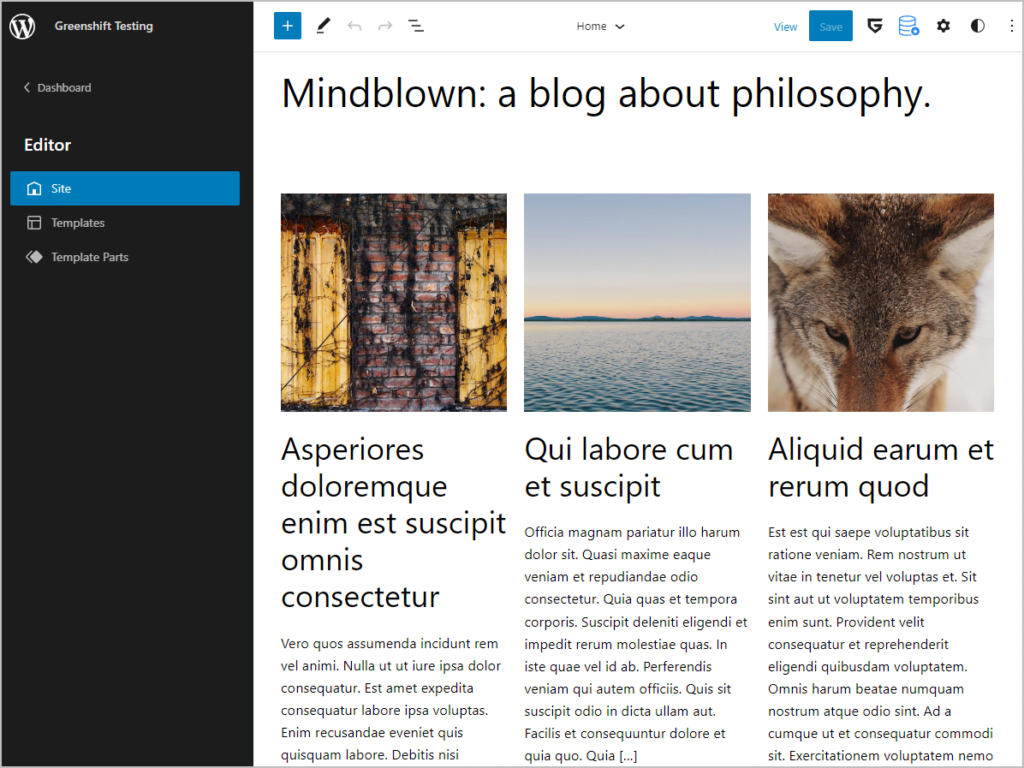
WordPress 5.9 was released about a year ago and included a block theme and support for the Site Editor. Before its release a lot of theme authors promised support for the Site Editor, but it came with a “beta” tag and there were a lot of rough edges. Few established themes support it. I think that WordPress 6.2, targeted for late March 2023, will see the removal of the beta tag. Following that I expect to see an explosion of 3rd party theme and plugin support for the Site Editor.
WordPress Market Share Increases
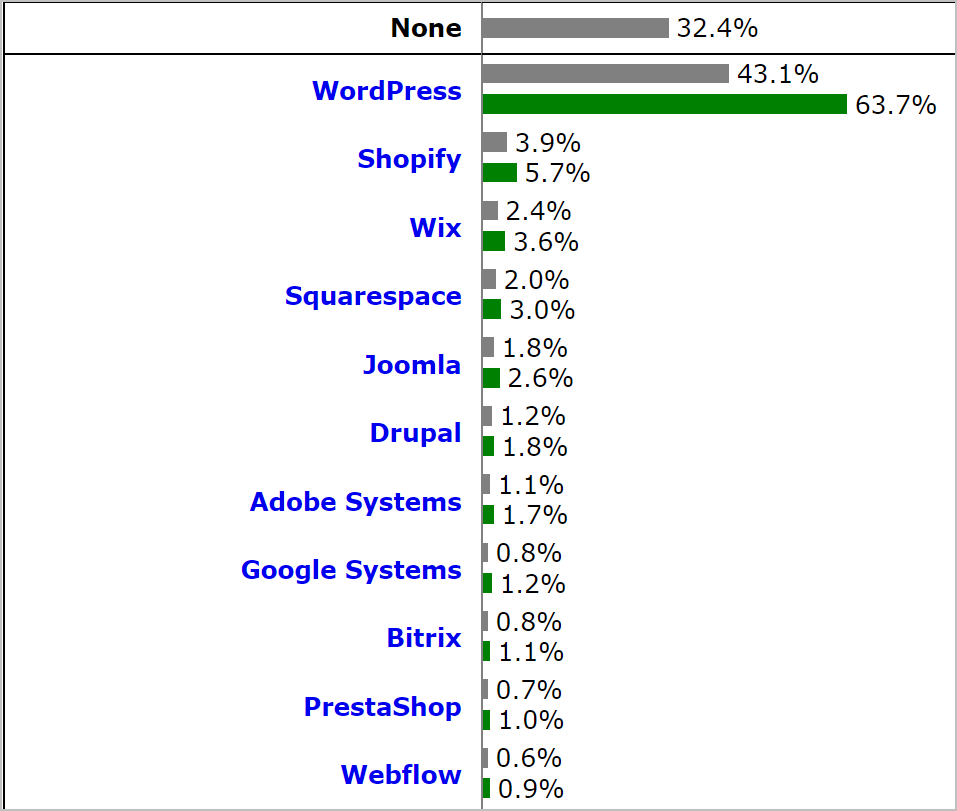
WordPress enjoyed steady growth for several years straight then we lost a consistent view of the data and people stopped talking about market share. In 2023 we will see clear signs of growth and WordPress market share will be a thing again.
More Acquisitions, Lawsuits, and Forks
The WordPress ecosystem in a fertile place to launch and grow a business. It is becoming more commercialized. We’ve seen a rise in the number of acquisitions and some large companies have been involved. PostStatus has an acquisition tracker. There was also a lawsuit upholding the GPL. In addition to acquisitions, Michael Edwin of the Dynamic Facebook group has predicted that economic pressures will force more smaller developers out of business. Things will be even more volatile.
WordPress Org Starts to Grow Up
This one may be more wishful thinking, but after remaining largely untouched for years the WordPress org website has started to get updates. The front page was updated, there are new filters on the theme search page, and new “commercial” and “community” tags have been added for themes and plugins. WordPress org removed a lot of the growth stats that many of us relied on, but I expect to see something better appear this year to take their place. I’m also expecting to see more formalized processes that will help to make dot org feel a bit less like a free for all.
Divi: Return of the Jedi

Divi is one of those tools you either love or hate, but it has a large number of fans. Recently the Elegant Themes team revealed that they are in the process of rewriting Divi from the ground up. This is a risky move. A rewrite can save an aging code base or it can destroy a product if they don’t get it right. Which will it be? I’m betting that the upcoming version of Divi, Divi 5, will be a winner. It will satisfy existing users that Divi is still relevant and tempt new users attracted by Divi’s reputation for being easy to use and designer friendly.
Phase Three of Gutenberg Will Not Be as Controversial
After the release of WordPress 6.2 the forward thinkers in the core group will break ground on phase three of the Gutenberg project. Recall that phase 1 was easier editing, phase 2 was site editing, phase 3 will be collaborative editing, and phase 4 will bring multilingual options to core. It seems that collaborative editing and support for multilingual sites in core are non-controversial. These are almost universally supported ideas. One would hope, and I predict, that collaborative editing will be achievable without a great disruption to existing workflows. That might not be the case for multilingual features, however, where I predict more drama and pain.
Web 3.0
The buzz in Silicon Valley is Web 3.0. However, no one really knows what Web 3.0 will look like. Venture Capitalists and startups would like to use the blockchain to basically write Digital Rights Management into the fabric of the web. Matt Mullenweg, the cofounder of WordPress and project leader, has mentioned Web 3.0 a few times. He has suggested that WordPress and Tumblr are uniquely positioned as a possible basis for a Web based on Open Source and intellectual freedom. I think in 2023 we will start to learn more about Matt’s vision for the future of the web.

I’m pretty excited going into 2023. What do you think we’ll see?